Tiny Valentine SVG: A Designer’s Review for Real Embroidery
As a designer who has spent countless hours digitizing and stitching out files, I approach every new asset with a mix of curiosity and skepticism. We all know the drill: a file looks perfect on screen but can turn into a thread nightmare once it hits the fabric. When I first loaded the Tiny Valentine Svg into my workspace, I wasn’t just looking at pixels; I was visualizing the final texture, the pull of the thread, and the reaction of a potential customer holding the finished item. This isn’t just another graphic; it is a potential cornerstone for your seasonal craft business if handled with the right technical insight.
First Impressions and Visual Personality
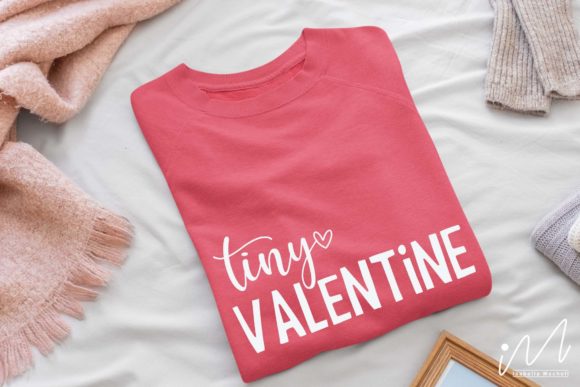
The immediate appeal of this design lies in its name and execution: "Tiny." In the world of embroidery, scale is everything. Large, bulky designs often feel heavy on delicate garments, but a motif labeled "tiny" suggests subtlety and refinement. The quote ” Tiny Valentine ” carries a mood that is sweet without being cloying, making it versatile for various demographics. Visually, the layout feels balanced, offering a clean silhouette that should translate well into stitch data. For those of us working in Crafts and digital Graphics, we appreciate when a vector file maintains its integrity at small sizes. The simplicity here is a strength, reducing the risk of thread breaks or excessive jump stitches that plague overly complex designs.
Real-World Application: The Custom Sweatshirt Test
To truly evaluate a file, you have to imagine it on a real product. I pictured this design centered on the left chest of a high-quality, heather grey sweatshirt. This is a best-seller for many Etsy sellers and small shop owners. The "Tiny Valentine" theme fits perfectly into the current trend of minimalist, personalized gifts. Unlike large back prints that can stiffen the garment, this smaller footprint allows the fabric to drape naturally.
I also considered its use on a canvas tote bag. Here, the design would serve as a subtle accent rather than a loud statement. For baby items, such as a onesie or a burp cloth, the gentle nature of the text and accompanying graphics makes it an ideal choice for a personalized gift. Parents are increasingly drawn to understated elegance over neon-bright cartoons, and this design aligns with that aesthetic. It feels like a boutique product, not a mass-produced commodity.
Technical Performance and Stitching Clarity
When converting this SVG Cut Files concept into an embroidery file, attention to detail is paramount. Since the package includes SVG, DXF, and EPS formats, you have the flexibility to resize the design before digitizing or cutting. However, resizing requires caution. If you shrink it too much for a small hoop, the lettering may become illegible or the stitches may merge. Conversely, blowing it up too large might expose gaps in the fill areas if the original density isn’t adjusted.
In terms of stitch types, a design like this likely benefits from a combination of satin stitch for the borders or text and a light fill stitch for any graphical elements. Satin stitches provide a shiny, premium look that catches the light, enhancing the perceived value of the handmade product. However, satin columns must be kept narrow to prevent snagging. If the design includes intricate corners, you must ensure your digitizing software handles the underlay correctly to prevent puckering. Testing the stitch density is crucial; too dense, and the fabric will warp; too sparse, and the backing will show through.
Navigating Fabric Challenges
Not all fabrics behave the same way. While this design is versatile, there are scenarios where you need to proceed with care. On stretchy fabrics like jersey knits used for t-shirts, a stable stabilizer is non-negotiable. Without proper support, the "Tiny Valentine" text could distort after washing. For dark fabrics, consider using a lighter thread color to ensure contrast, or add a white underlay if the design allows.
Curved surfaces, such as caps or hats, present another challenge. Placing text on a curved brim requires precise hooping and potentially a different digitizing approach to account for the pull. If you are creating an embroidered patch, you have more control over the stabilizer and backing, making this a safer bet for beginners. Always test on scrap fabric first. Check how the thread colors interact with the fabric texture. A rough linen will hide minor imperfections, while smooth satin will highlight every tiny misalignment.
Commercial Viability and Brand Consistency
For commercial embroidery professionals, consistency is key. This design offers a cohesive look that can be part of a larger Valentine’s Day collection. It enhances brand recognition by offering a specific, recognizable style. Customers trust products that look professional, and a clean, well-stitched design builds that trust. Whether you are selling custom apparel or home decor like pillow covers and tea towels, the quality of the embroidery reflects directly on your brand.
Using this as a digital embroidery file for sale also requires diligence. Ensure you understand the licensing terms. Can you sell the physical stitched item? Can you resell the digital file? The description mentions you receive SVG, DXF, EPS, and PNG Transparent files, which is great for versatility, but always confirm commercial rights before listing on marketplaces. A clear license protects your craft business from legal issues and builds goodwill with your buyers.
Practical Designer Notes for Success
Before you start stitching, take these practical steps to ensure the best outcome:
- Test on Scrap Fabric: Never stitch a new design directly on your final product. Use similar material to check tension and density.
- Check Thread Contrast: View the design in black and white mockups to ensure the details stand out regardless of color choice.
- Verify Hoop Size: Ensure the design fits comfortably within your hoop with adequate margin for clamping.
- Inspect Small Details: Zoom in on the vector file to check for stray nodes or overlapping paths that could cause machine errors.
- Confirm Licensing: Read the included documentation to understand usage rights for both personal and commercial projects.
In conclusion, the Tiny Valentine Svg is a promising asset for designers and makers. It balances aesthetic appeal with practical usability, fitting seamlessly into the workflow of creating high-quality finished products. By respecting the technical limitations of embroidery and leveraging the flexibility of the provided formats, you can create items that delight customers and elevate your brand. It is a small design with big potential, provided you approach it with the precision and care it deserves.