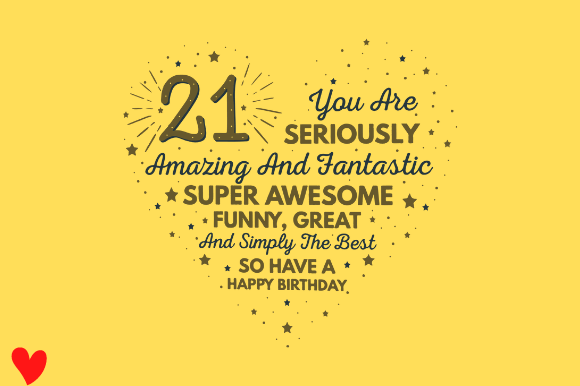
Reviewing the 21st Birthday Gift Design for Embroidery
As a designer who has spent countless hours digitizing and stitching out files for clients, I approach every new machine embroidery design with a critical eye. It is not just about whether the graphic looks good on a screen; it is about how it translates to thread, fabric, and ultimately, the hands of the customer. Recently, I evaluated the 21ST CARD TWENTY ONE BIRTHDAY GIFT graphic asset to determine its viability for real-world embroidery projects. This piece falls under the broad categories of Crafts and Graphics, but my focus was strictly on its application in stitched goods.
First Impressions and Visual Personality
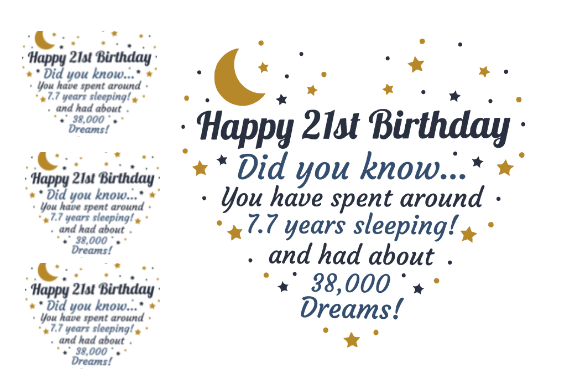
The initial visual impact of the 21ST CARD TWENTY ONE BIRTHDAY GIFT design is celebratory yet structured. The layout suggests a card-inspired motif, which inherently carries a sense of occasion and personal touch. For an embroidery designer, this thematic clarity is crucial. When a customer sees a finished product, they need to instantly recognize the sentiment. The boldness of the "21" combined with the textual elements creates a focal point that demands attention.
However, viewing it as a digital embroidery file requires looking past the flat colors. I immediately considered how the shapes would convert to stitches. The design’s personality feels modern and youthful, making it a strong candidate for milestone birthday merchandise. It does not feel overly juvenile, which is important for a twenty-first birthday, nor does it feel too stiff or corporate. It strikes a balance that works well for both casual wear and keepsake items.
Real-World Application: A Case Study
To test the practicality of this design, I imagined a specific scenario: creating a custom embroidered tote bag for a boutique client specializing in personalized gifts. The client wanted a standout item for a young adult’s birthday party favor. Using the 21ST CARD TWENTY ONE BIRTHDAY GIFT concept, I visualized the placement on a heavy canvas tote. The rectangular or card-like shape of the graphic lends itself well to the flat surface of a bag, avoiding the distortion issues often found on curved surfaces like caps.
In this context, the design serves as more than just decoration; it becomes a statement piece. For an Etsy seller or small shop owner, this versatility is key. The same design could easily transition from a tote bag to a sweatshirt embroidery project. On a crewneck sweatshirt, placed centrally on the chest or slightly off-center for a modern look, the design would appeal to the recipient’s desire for stylish, age-appropriate apparel. It moves beyond simple baby embroidery tropes into a realm that respects the maturity of the twenty-one-year-old recipient.
Technical Considerations for Stitching
When translating any Graphics asset into an embroidery file, technical constraints must be addressed. While the product description highlights its use for POD (Print on Demand) and jewelry t-shirt designs, embroidery introduces physical limitations. Here are the critical factors I analyzed:
- Stitch Density and Type: If this design is digitized using primarily fill stitch areas for the background of the "card," it may become dense. High density can cause puckering, especially on lighter fabrics. A mix of satin stitch for borders and text, with careful fill management, is essential for clarity.
- Fabric Texture: The design’s success depends heavily on the fabric texture. On a smooth cotton twill or high-quality jersey, the details will pop. However, on textured fabrics like terry cloth or heavy fleece, fine details might get lost. I would recommend testing on scrap fabric first to gauge how the threads interact with the material weave.
- Hoop Size and Placement: Before starting, confirm the hoop size required. If the design is large, it may need a 5x7 or larger hoop. For smaller applications, such as a pocket detail on a shirt or a corner of a tea towel, ensure the design scales down without losing legibility. Tiny lettering can become a tangled mess if scaled too small.
- Stabilizer Selection: Given the potential for dense areas, using the correct stabilizer is non-negotiable. A cut-away stabilizer is often best for garments that will be washed frequently, ensuring the finished product maintains its shape and the stitches do not pull or distort over time.
Navigating Challenges in Production
There are scenarios where the 21ST CARD TWENTY ONE BIRTHDAY GIFT design should be used with caution. For instance, applying this to stretchy fabrics like spandex blends requires extra care. Without proper stabilization, the running stitch outlines might break or the fill areas might gap. Similarly, if you are working with dark fabric, you must consider thread colors carefully. High contrast is vital for readability. A mockup in black and white can help determine if the design holds up without color reliance.
Another consideration is the curvature of the item. While excellent for flat surfaces like pillow covers or aprons, placing a large, rigid-looking card design on a curved cap brim can lead to distortion. In such cases, simplifying the design or reducing the stitch count in dense areas might be necessary to prevent the fabric from bunching.
Enhancing Brand Value and Customer Trust
For craft business owners, the quality of the embroidery directly impacts brand perception. A clean, well-stitched 21ST CARD TWENTY ONE BIRTHDAY GIFT design signals professionalism. It shows that the maker understands the technical aspects of commercial embroidery. This attention to detail builds customer trust and encourages repeat business. Whether it is a personalized gift for a family member or a small shop product for retail, the finish matters.
Moreover, this design fits well into the narrative of holiday embroidery or milestone celebrations. It is not just a generic graphic; it tells a story of achievement and celebration. This emotional connection increases the perceived value of the handmade product. Customers are willing to pay more for items that feel thoughtful and specifically crafted for the occasion.
Practical Designer Notes
Before committing to a full production run or listing this as a design asset for sale, I recommend the following steps:
- Test on Scrap Fabric: Always stitch out a sample on the same type of fabric you intend to use for the final product. This reveals any tension issues or density problems.
- Check Licensing: Since this is marketed as a graphic design for POD and potentially digital use, verify the license terms. Ensure you have the right to use it for commercial embroidery and selling finished physical items. Do not assume rights extend to all mediums without confirmation.
- Review Detail Levels: Inspect small corners and text elements. If the design includes intricate details, ensure your machine can handle them at the desired size. Sometimes, simplifying a vector graphic before digitizing yields better embroidery results.
- Mockup Variations: Create printable mockup images showing the design on various products like tote bag design layouts, shirts, and patches. This helps customers visualize the end result and boosts engagement on platforms like Etsy.
In conclusion, the 21ST CARD TWENTY ONE BIRTHDAY GIFT offers a solid foundation for creative entrepreneurs. With careful attention to digitizing techniques, fabric choice, and stabilization, it can become a standout item in any custom apparel or gift lineup. It bridges the gap between digital Graphics and tangible Crafts, providing a versatile tool for makers who want to deliver high-quality, meaningful products.